
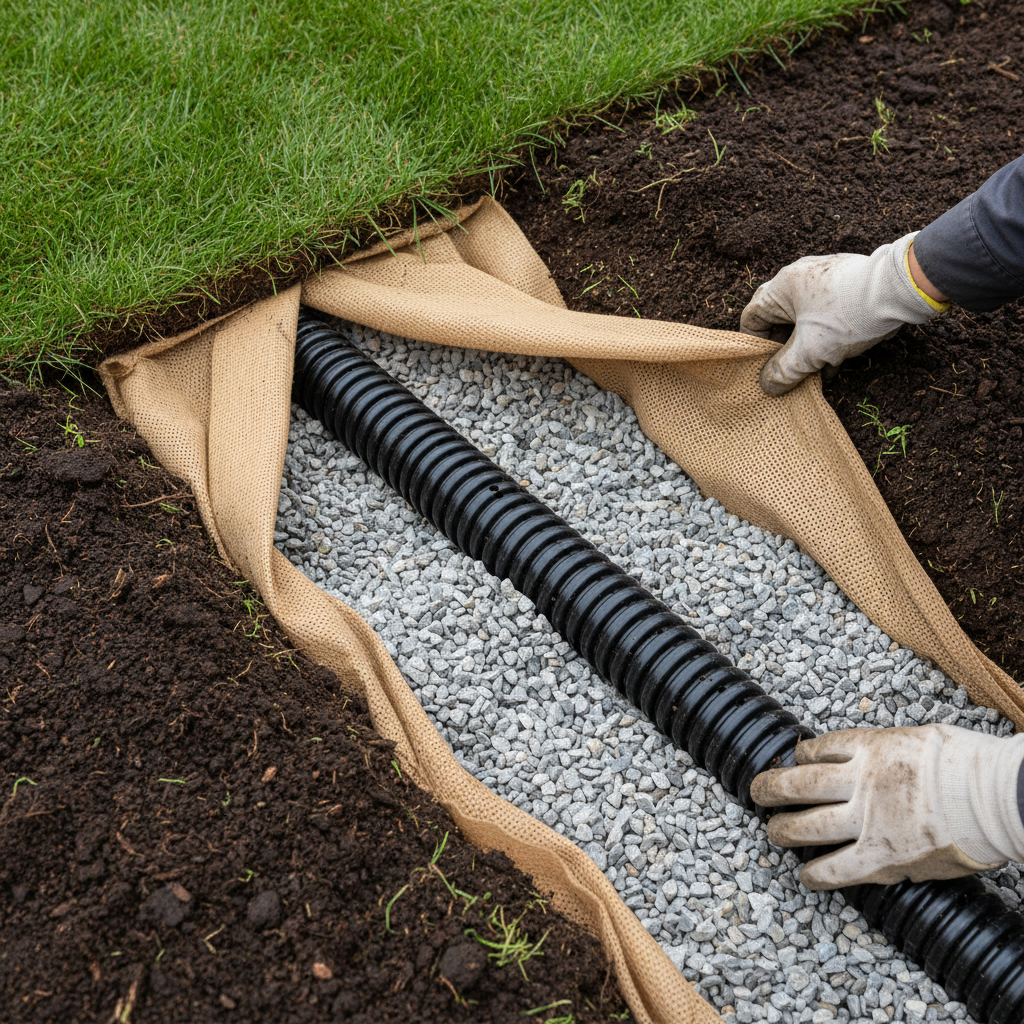
The main difference between a french drain vs catch basin is the type of water they manage. French drains redirect subsurface groundwater through perforated pipes to fix soggy soil, while catch basins utilize surface grates to collect and drain pooling rainwater. Choosing the right system depends on whether your yard suffers from underground saturation or standing surface puddles.
A soggy, waterlogged lawn in Canton is more than just a nuisance for your weekend landscaping projects. It is a persistent threat to your home's foundation and the health of your ornamental plantings. Choosing the wrong drainage solution can lead to a wasted investment and continued soil erosion, especially when dealing with the heavy rainfall and dense clay soil typical of our North Georgia climate. Understanding the mechanics of water movement is essential for protecting your property value and ensuring your outdoor space remains functional. In this guide, we will break down the fundamental differences between French drains and catch basins. You will learn how each system targets specific water issues, why the unique soil profile in Canton dictates your choice, and whether a hybrid approach is the right move for your specific property.
Understanding the Difference Between Surface and Subsurface Water
Canton homeowners typically face two distinct water issues after a storm. The first is visible immediately: standing puddles on the lawn or pooling water on the driveway. This is surface water. The second is more insidious: turf that remains spongy or mushy for days after the clouds clear, indicating subsurface water saturation. While both systems aim to protect your property, selecting between a french drain vs catch basin requires understanding these two different hydrological behaviors.
Think of the two systems using a sponge and bucket analogy. A French drain acts like a sponge for the soil, drawing out hidden groundwater that saturates the root zone and weakens the earth. In contrast, a catch basin acts like a bucket, capturing high volumes of heavy rainfall before it has a chance to pool or wash away mulch.
In North Georgia, our heavy seasonal rains and hilly terrain make this distinction critical for maintaining property value. Surface water causes rapid erosion and immediate localized flooding, while subsurface water creates long term instability and can eventually lead to foundation issues. Effective drainage and grading solutions often begin with identifying which type of water is the primary culprit. If you are struggling to manage runoff, contact our team to evaluate your site. Integrating proper water management into your custom landscape design ensures your outdoor space remains both functional and durable.
What is a French Drain and How Does It Work?
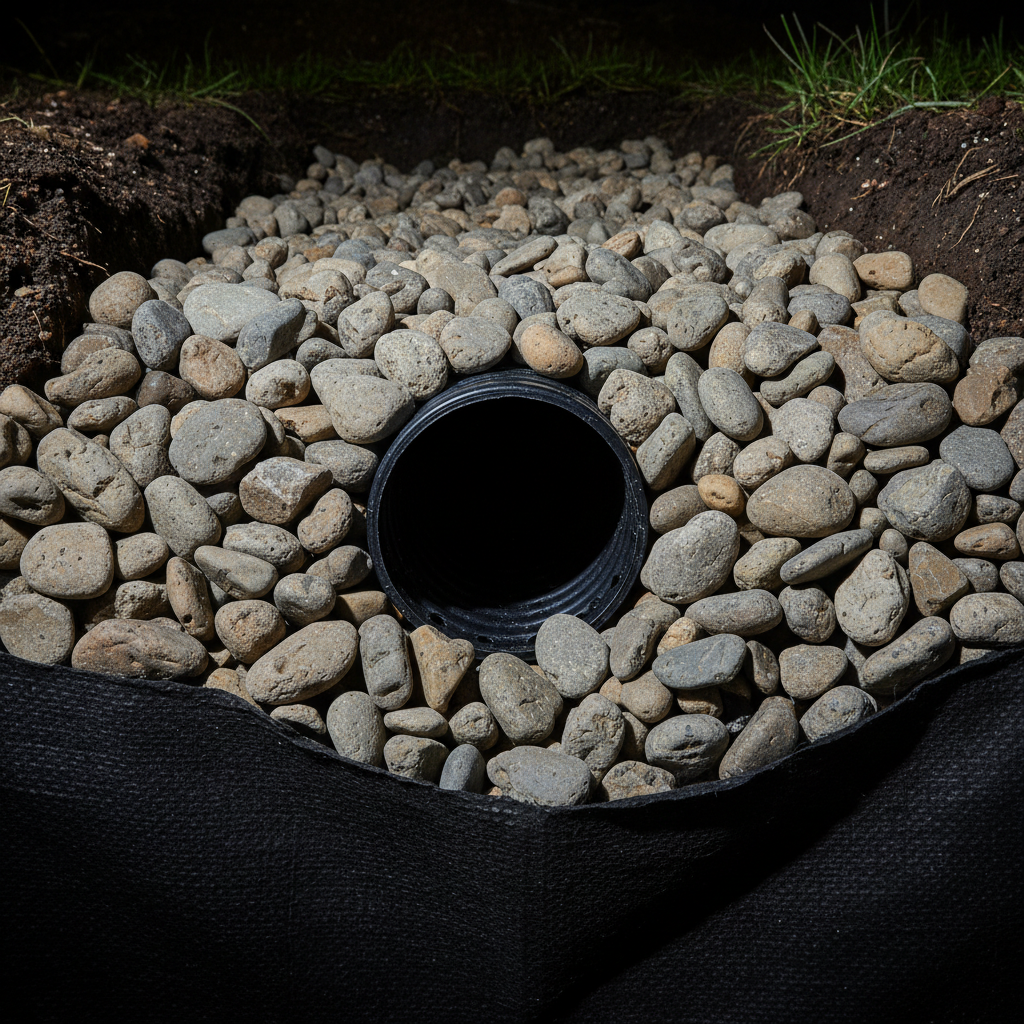
A French drain is a subsurface drainage system designed to manage groundwater before it can cause structural damage or kill your lawn. To understand its construction, imagine a carefully engineered trench. We line this trench with a specialized non-woven landscape fabric to prevent silt from infiltrating the system. Inside the fabric envelope, we place a perforated pipe surrounded by clean, washed gravel. This combination creates a permanent void in the earth that allows water to move much faster than it can through the surrounding soil.
The system relies entirely on gravity and hydrostatic pressure. As the soil becomes saturated, water naturally seeks the path of least resistance, which is the gravel-filled trench. It enters the perforations in the pipe and is directed away from the property to a designated discharge point. One of the primary benefits for homeowners is the aesthetic impact. Once the installation is complete and we have restored the turf, the system is completely invisible. It protects your custom landscape design from beneath the surface, ensuring that your lawn stays firm without the need for visible grates or concrete channels.
However, it is important to know when you should not use a French drain. These systems are not designed to handle high-velocity surface runoff, such as the torrents of water that pour off a roof or down a steep, paved driveway during a Georgia thunderstorm. Because the water must first percolate through the soil or gravel to reach the pipe, a French drain cannot capture fast-moving water before it bypasses the trench. Furthermore, a French drain requires a consistent downward slope to function properly. If your property is perfectly flat with no natural exit point for the water, a standard gravity-fed system will fail. In cases of rapid surface flow, drainage and grading solutions that utilize catch basins are often the superior choice. Deciding between a french drain vs catch basin often comes down to how quickly the water needs to be removed from the site.
What is a Catch Basin and Where Is It Most Effective?

A catch basin is a point source drainage solution designed to intercept surface runoff at a specific location before it has the chance to flood your property. Structurally, it consists of a reinforced collection box buried underground with a heavy duty grate installed at ground level. When heavy Georgia rain hits, water flows directly into the grate and enters the basin. The interior of the box features a sump area located below the outlet pipe. This sump serves as a critical gravity trap where heavier sediment, silt, and organic debris settle to the bottom rather than entering and potentially clogging the main drainage pipes.
These systems are most effective in areas where water collects instantly and lacks a natural exit. We frequently install catch basins at the base of sloped driveways, in the low corners of paver patios, or directly under downspouts where roof runoff is most concentrated. By capturing high volumes of water at the source, these basins prevent the formation of localized lakes that can damage expensive hardscapes or seep into crawlspaces.
Beyond simple water removal, a catch basin is a primary tool for erosion control. It stops the rapid overland flow that would otherwise strip away topsoil and wash expensive mulch out of your garden beds. Incorporating these basins into drainage and grading solutions helps maintain the aesthetic integrity of your custom landscape design by keeping the earth in place during seasonal storms. When evaluating a french drain vs catch basin, the latter is the clear choice for managing high velocity water that needs an immediate exit point.
Comparison: French Drain vs Catch Basin at a Glance
Understanding the distinct mechanics of these systems helps clarify which tool fits your specific property needs. While both contribute to effective drainage and grading solutions, they address different physical challenges. The following table provides a breakdown of the functional differences between a french drain vs catch basin.
Factor | French Drain | Catch Basin |
|---|---|---|
Source of Water | Subsurface (Groundwater) | Surface (Runoff and Rain) |
Installation Depth | Deep Trench (Typically 18 to 24 inches) | Surface Level (Box with sloped exit pipe) |
Visual Impact | Invisible (Hidden under sod or stone) | Visible (Exposed surface grates) |
Primary Goal | Long-term Soil Stability | Immediate Water Removal |
French drains serve as the structural workhorses of a custom landscape design. By mitigating hydrostatic pressure, they protect foundations and retaining walls from the literal weight of water-logged soil. This ensures long-term soil stability, preventing the slow creep or settling that can eventually ruin expensive hardscapes. Because the system is buried beneath a layer of soil and turf, it offers zero visual disruption once the grass recovers.
In contrast, catch basins are designed for speed. They prevent lakes from forming on your lawn or paver patios by giving high-volume runoff an immediate exit point. Maintenance is generally simpler with catch basins, as the grates are easily accessible for removing leaves or sediment. However, a French drain offers more comprehensive protection against the persistent, mushy soil conditions that often plague North Georgia homes. For a professional assessment of your property, contact our team to determine which system will best preserve your landscape.
The Canton Georgia Factor: Why Our Clay Soil Changes the Rules
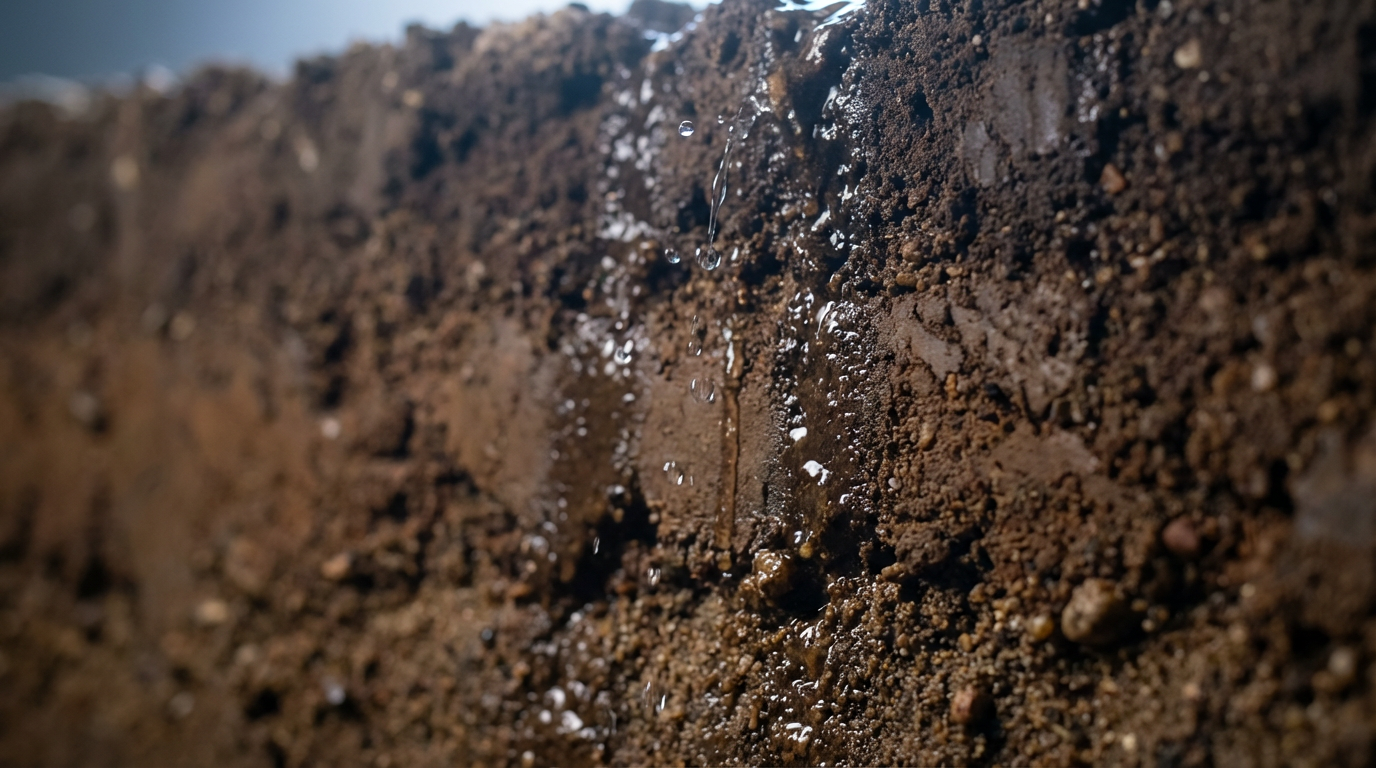
In Canton, the geological reality of North Georgia red clay dictates the success or failure of any water management system. Unlike the sandy soils found in coastal regions that allow water to percolate downward rapidly, our local clay has extremely low permeability. This dense material acts as a subterranean dam, holding moisture against foundations and keeping turf roots submerged for days. This prolonged saturation is a leading cause of root rot in ornamental plantings and creates the hydrostatic pressure responsible for shifting foundation walls.
When homeowners attempt a DIY approach to the french drain vs catch basin dilemma, they often overlook how clay interacts with filtration. A standard trench filled with generic pea gravel will quickly fail in Canton. The fine silt and clay particles migrate into the drainage stone, effectively blinding the system and rendering it useless within a few seasons. Professional drainage and grading solutions require heavy duty, non-woven filter fabric and specific #57 washed stone sizing to maintain a permanent void space that clay cannot infiltrate.
Topography further complicates the local landscape. The steep hillsides throughout Cherokee County create a high runoff coefficient, meaning a significant percentage of rainfall becomes immediate surface flow rather than absorbing into the ground. A custom landscape design must account for this velocity. If the system is under-engineered, the volume of water moving off a clay hillside can easily overwhelm a standard residential drain. If your property is suffering from the effects of saturated clay soil, contact our team to discuss a site-specific plan that accounts for these unique North Georgia challenges.
Can You Combine a French Drain and a Catch Basin?
Given the stubborn nature of local clay, choosing between a french drain vs catch basin is rarely an either-or decision. Most effective drainage and grading solutions involve integrating both into a high-performance hybrid system to address different water vectors simultaneously. For instance, we often install catch basins at the base of downspouts to immediately capture roof runoff, while a connected French drain runs along a nearby retaining wall to alleviate the subsurface hydrostatic pressure mentioned previously.
These components typically converge into a series of solid NDS discharge pipes. This smooth walled piping carries the combined volume safely away to a daylight exit at the street or into a deep dry well without saturating the surrounding soil. However, engineering these connections requires precision. If the sediment-rich water from a catch basin enters the perforated section of a French drain, the resulting siltation will quickly blind the filter fabric and clog the gravel envelope. To protect your custom landscape design, we ensure that surface debris is trapped in the basin sump and bypassed into solid pipes rather than infiltrating the subsurface system. If you suspect your property requires a multi-tiered approach, contact our team to evaluate your site’s specific topography.
Common Problems and Maintenance for Your Drainage System
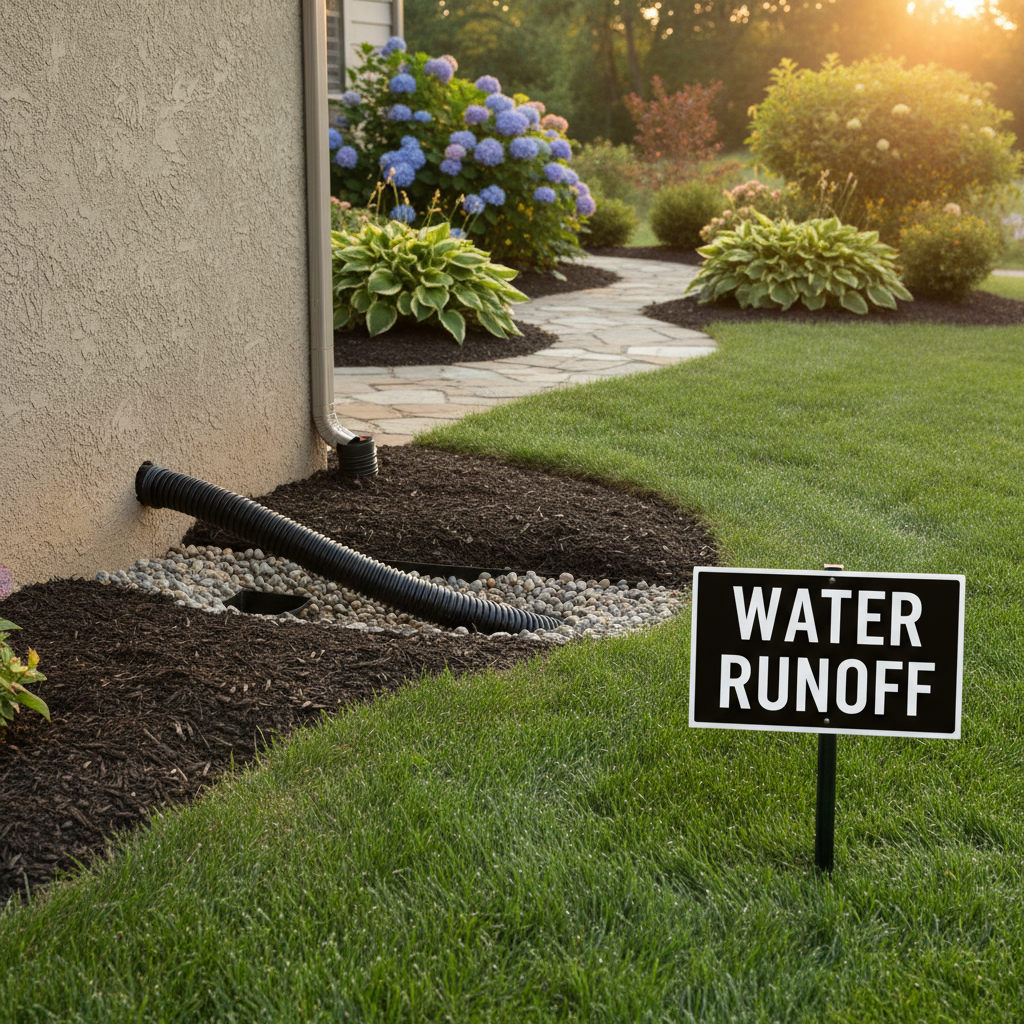
Maintaining professional drainage and grading solutions ensures your property remains protected through every seasonal shift. When weighing the long term care of a french drain vs catch basin, homeowners should anticipate different maintenance needs. Catch basins frequently struggle with debris buildup in the sump; if sediment blocks the outlet, stagnant water can attract mosquitoes. Furthermore, Canton’s heavy clay may cause basins to shift or heave due to the intense pressure of soil expansion.
French drains are primarily susceptible to root intrusion, where nearby trees seek the moisture inside the pipe, and siltation, where fine clay eventually blinds the filter fabric. To protect the longevity of your custom landscape design, adhere to this maintenance checklist:
Remove leaves and pine straw from surface grates every autumn.
Scoop sediment from catch basin sumps annually to prevent pipe blockages.
Verify that discharge points and pop-up emitters are clear after heavy North Georgia rains.
Proactive care prevents total system failure and costly repairs. If you suspect a blockage or notice new standing water returning to your lawn, contact our team to restore your system’s performance.