The ideal choice among zoysia vs bermuda vs fescue depends on your lawn's sun exposure; Zoysia offers a premium, dense feel with moderate shade tolerance, while Bermuda provides the best heat resistance for full sun. Fescue is the superior choice for heavily shaded areas and winter color, though it requires more irrigation to survive Georgia's summer heat.
Selecting the perfect turf for your Canton property often feels like a costly gamble against the unpredictable North Georgia climate. You may invest thousands in sod and irrigation, only to watch your lawn struggle with thinning patches in the shade or heat stress during a midsummer dry spell. This frustration typically arises from a mismatch between the grass species and the specific microclimate of your lot. As experts in local horticulture, we know that a sophisticated landscape requires a data driven approach to turf selection. In this guide, we provide a detailed analysis of Bermuda, Zoysia, and Tall Fescue. We will examine how these varieties perform across the transition zone, their respective maintenance requirements, and how to identify the ideal candidate for your home based on sun exposure and soil drainage.
The Georgia Transition Zone: Why Choosing Grass is Complicated in Canton
Canton sits in a challenging horticultural region known as the transition zone. This geographic belt represents the boundary where the humid subtropical climate of the South meets the cooler temperate climate of the North. In our area, homeowners must choose between two distinct categories of turfgrass: warm season species, such as Zoysia and Bermuda, and cool season species, primarily Tall Fescue.
Because North Georgia experiences both extreme summer heat and frequent winter freezes, no single grass type maintains peak performance year round without a tailored maintenance plan. Warm season grasses excel in July but enter dormancy and turn brown from November through April. Conversely, Fescue provides deep green color during the winter months but requires significant intervention to survive the intense Georgia humidity.
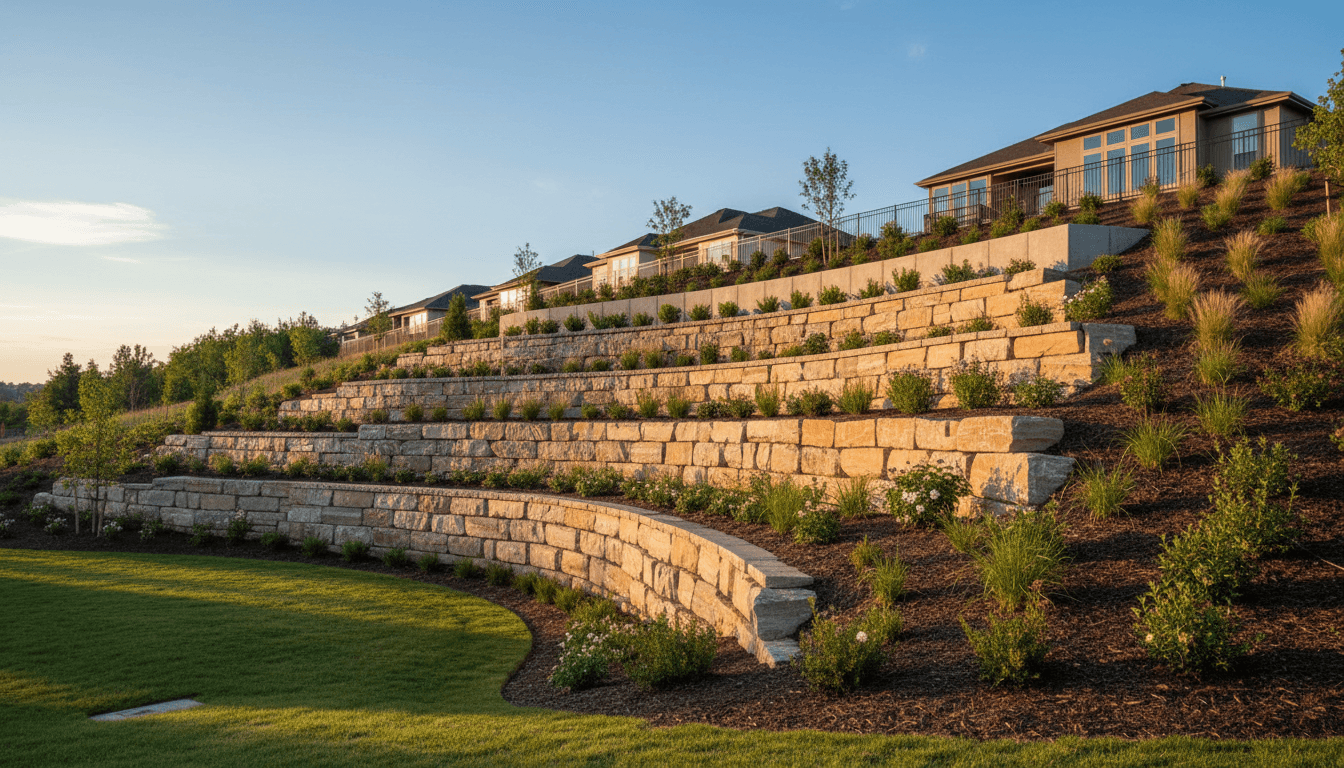
In the Cherokee County area, the decision is further complicated by our heavy red clay and variable topography. A property with a steep, sun drenched slope has vastly different needs than a heavily wooded lot. Selecting the wrong variety for your specific microclimate often results in thinning turf, weed encroachment, and poor root development. A carefully considered custom landscape design takes these environmental factors into account to ensure long term property value. When paired with proper drainage and grading solutions, choosing among zoysia vs bermuda vs fescue becomes a strategic investment in the health of your outdoor environment. Understanding the strengths of each variety is the first step toward a successful professional sod installation.
Bermuda Grass: The High Performance Choice for Sun Drenched Yards
Bermuda grass serves as the definitive workhorse for the North Georgia landscape. For homeowners in Canton with wide-open acreage or backyards dedicated to active kids and large dogs, its durability is unmatched. This grass thrives on a rapid growth rate, allowing it to recover quickly from heavy foot traffic and surface damage. We frequently recommend Tifway 419, a hybrid variety prized locally for its fine texture and deep green color during the peak of summer.
The performance of this turf depends entirely on its access to sunlight. Bermuda requires a minimum of eight hours of direct, unfiltered sun to maintain its density. In many established neighborhoods across Cherokee County, the canopy of mature oaks and maples presents a significant challenge. When planted in the footprint of these trees, Bermuda inevitably thins out, leaving bare patches that invite weed encroachment. It is also important to note its seasonal behavior; as a warm-season grass, it enters complete dormancy and turns a sandy brown color once the first frost arrives, remaining in this state until the soil warms in mid-spring.
While it provides a resilient surface for professional sod installation, it is not a set-it-and-forget-it option. Its aggressive growth means it produces thatch quickly and requires consistent mowing, often twice a week during the humid rainy season. When evaluating zoysia vs bermuda vs fescue, Bermuda remains the top choice for high-performance, sun-drenched areas where utility and recovery are prioritized over winter color or shade tolerance.
Zoysia Grass: The Premium Carpet for Upscale Georgia Landscapes
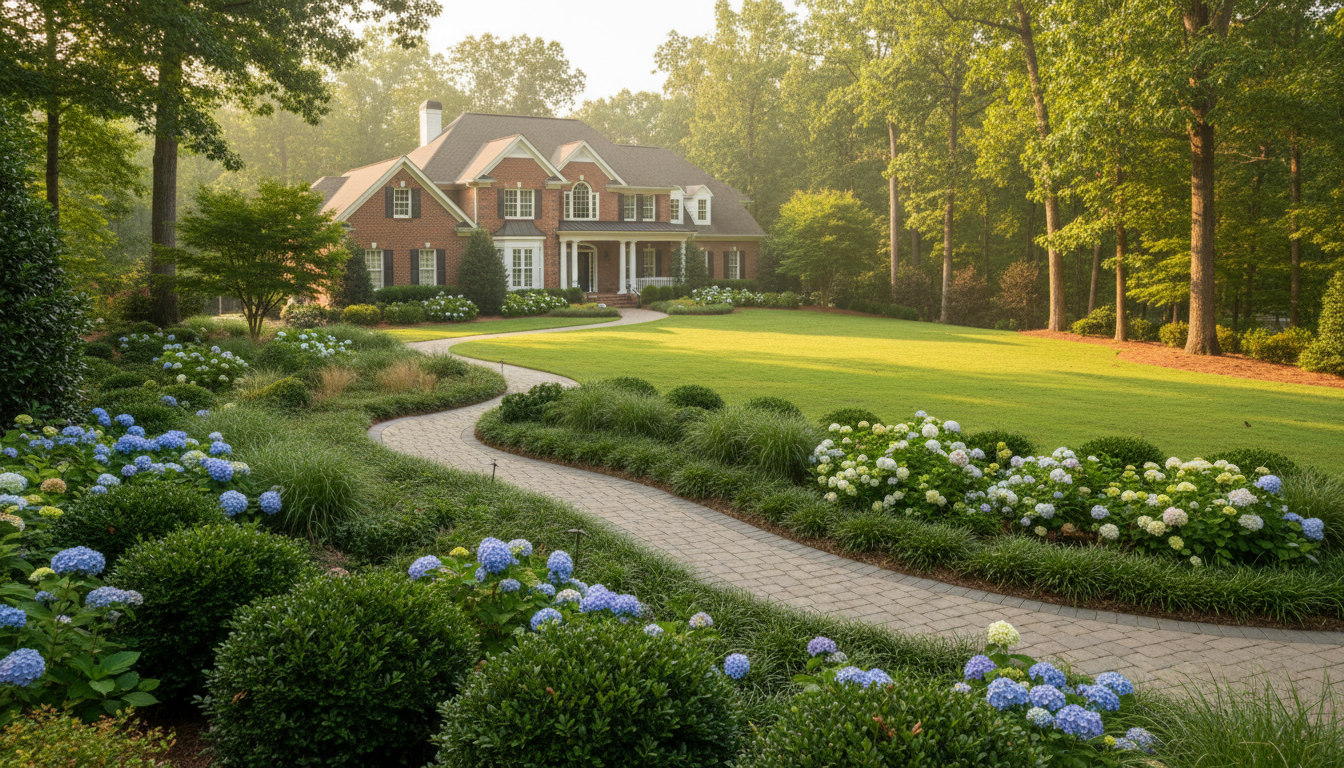
Zoysia grass represents the luxury tier of turf for high-end Canton properties. While Bermuda is a utilitarian workhorse, Zoysia is prized for its aesthetic appeal and incredibly soft, dense texture underfoot. For homeowners pursuing a sophisticated custom landscape design in neighborhoods across Milton and Canton, cultivars like Zeon and Emerald Zoysia are the gold standard. These varieties create a manicured, carpet like appearance that elevates the overall curb appeal of a home.
The dense growth habit of Zoysia is one of its greatest functional strengths. Because the blades and root systems grow so tightly together, the turf naturally chokes out most common North Georgia weeds, reducing the need for heavy chemical herbicidal treatments. However, this density comes from a slower growth rate compared to Bermuda. When performing a professional sod installation, it is important to understand that Zoysia takes longer to fully establish its root system and fill in any damaged areas. If the lawn is damaged by heavy machinery or pet activity, the recovery process is a matter of months rather than weeks.
In the debate of zoysia vs bermuda vs fescue, Zoysia occupies the middle ground regarding shade tolerance. It is significantly more resilient in filtered light than Bermuda, often thriving with only four to six hours of direct sun. It cannot, however, survive in the deep, constant shade where Fescue excels. From a water management perspective, Zoysia is highly efficient. Once its root system is established, it maintains its vibrant color during a Georgia heat wave with far less irrigation than Fescue requires.
Investing in Zoysia requires careful attention to the underlying environment. Because this grass builds up a significant thatch layer and prefers consistent moisture without saturation, proper drainage and grading solutions are essential before the pallets arrive. This preparation ensures the luxury turf thrives in our heavy clay, preventing the root rot that can occasionally plague poorly managed installations.
Tall Fescue: The Solution for Shady North Georgia Properties
In the heavily wooded lots of Cherokee County where sunlight is a rare commodity, Tall Fescue is often the only viable choice for a functional lawn. Fescue serves a unique role in the zoysia vs bermuda vs fescue debate because of its status as a cool season grass. While Bermuda and Zoysia turn dormant and straw colored at the first sign of frost, Fescue provides a lush, deep green landscape throughout the winter months, offering year round curb appeal that warm season grasses cannot match.
Maintenance for Fescue differs significantly from its warm season counterparts. Because it is a clumping grass that lacks the self healing runners found in Zoysia or Bermuda, it cannot spread to repair itself if patches die out or thin. This growth habit necessitates a rigorous annual schedule of core aeration and overseeding in the fall to maintain a thick, healthy canopy. Without this yearly renewal, a Fescue lawn will naturally thin over time, eventually giving way to moss and shade loving weeds.
The primary vulnerability of Fescue is the Georgia summer. During the peak heat of July and August, this grass enters a state of extreme stress. Survival in our climate requires a professional sod installation paired with a robust, automated irrigation system. Without precise moisture management to cool the soil and hydrate the roots, Fescue is prone to brown patch and heat exhaustion, making it the most water dependent option for a Canton custom landscape design. Ensuring proper drainage and grading solutions is also critical, as standing water in the summer heat can lead to rapid root rot in Fescue lawns.
Head to Head Comparison: Maintenance, Shade, and Durability
Comparing these three varieties requires looking beyond just color. Maintenance schedules and physical characteristics differ significantly between each species, affecting both the weekly chore list and the long term health of the turf.
Feature | Bermuda | Zoysia | Tall Fescue |
|---|---|---|---|
Mowing Height | 0.5 to 2 inches | 5.0 to 2.0 inches | 3.0 to 4.0 inches |
Shade Tolerance | Very Low | Moderate | High |
Foot Traffic | Exceptional | High | Moderate |
Water Need | Moderate | Low to Moderate | Very High (Summer) |
Fertilization | High Nitrogen (Summer) | Moderate (Summer) | Moderate (Fall/Spring) |
Homeowners frequently ask which grass looks better: Zoysia or Bermuda. The choice depends on your preference for texture and feel underfoot. Bermuda, particularly Tifway 419, has a fine, stiff blade that provides a resilient, athletic surface. In contrast, Zoysia varieties like Zeon offer a softer, denser, carpet like feel that is much more comfortable for bare feet.
Another common technical question is whether Zoysia will choke out fescue. Because Zoysia is a creeping grass that spreads through both stolons and rhizomes, it will eventually overtake a clumping grass like Fescue in areas with at least six hours of sun. However, in the deeper shade of a North Georgia wooded lot, the Zoysia will lose its vigor, allowing the Fescue to maintain its territory. Managing these transition points is a critical part of a custom landscape design. Selecting the right variety for a professional sod installation ensures you aren't fighting a losing battle against nature, provided you have also addressed your property's specific drainage and grading solutions.
Soil and Drainage Considerations for New Sod in Canton
A successful lawn in Cherokee County is built from the ground up, starting with the foundation of our local geology. Canton is defined by its heavy red clay, a soil type that presents significant challenges for even the heartiest turf. Because clay particles are exceptionally fine and easily compacted, they tend to trap water near the surface rather than allowing it to percolate through the root zone. This lack of oxygen and drainage is the primary cause of failure for new lawns, making drainage and grading solutions the most critical step in any project.
Before a professional sod installation, the site must be properly graded to ensure water flows away from the home and does not collect in low spots. When evaluating zoysia vs bermuda vs fescue, understand that each reacts differently to poor drainage. Zoysia, despite its luxury status, is highly susceptible to root rot if the soil remains saturated for extended periods. Conversely, Fescue often suffers from "wet feet," where standing water combined with Georgia’s summer humidity creates a breeding ground for fungal pathogens that can kill an entire lawn in days.
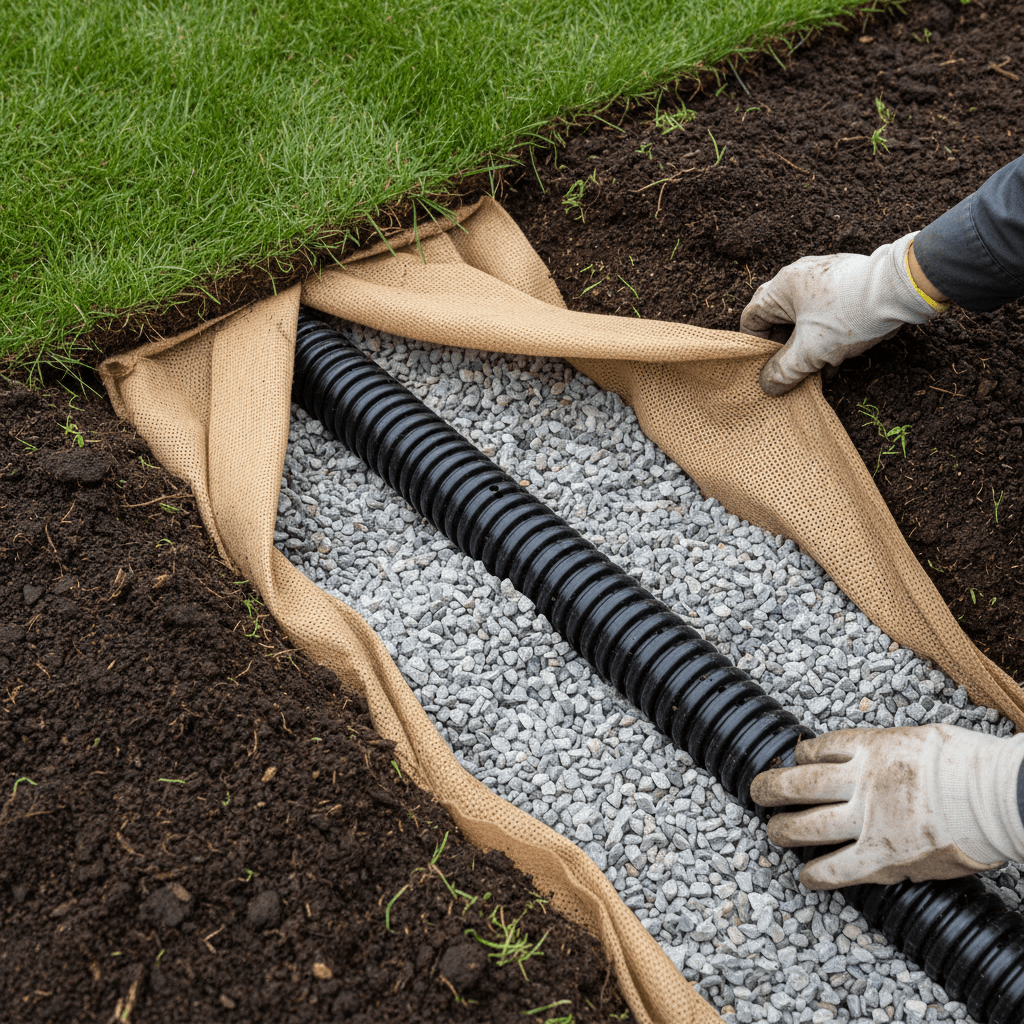
We often recommend a combination of soil amendments and mechanical solutions to mitigate these risks. Tilling organic matter into the red clay breaks up its dense structure, improving both nutrient uptake and drainage. In areas with significant runoff or naturally low topography, installing a French drain or a dry creek bed is often necessary to protect your investment. A comprehensive custom landscape design accounts for these subterranean factors, ensuring that the preparation of the ground matches the quality of the grass you choose to lay over it.
Selecting the right grass for your property depends on your specific sunlight, soil, and maintenance preferences. While Zoysia, Bermuda, and Fescue each have their advantages, the best choice is one that fits your lifestyle. If you want expert help determining which variety will thrive in your yard, we are ready to assist. Our team provides professional Sod & Irrigation services to ensure your new lawn is installed correctly and remains healthy for years to come. Let us help you create the perfect landscape today.